Never fished here before
What to buy, and what the words mean
Buy three hook sizes, one jig weight, a slip float and a cup of nightcrawlers and you can fish Shawano Lake from shore. Everything on this page is drawn to scale or photographed, and nothing carries a brand name.
The four families
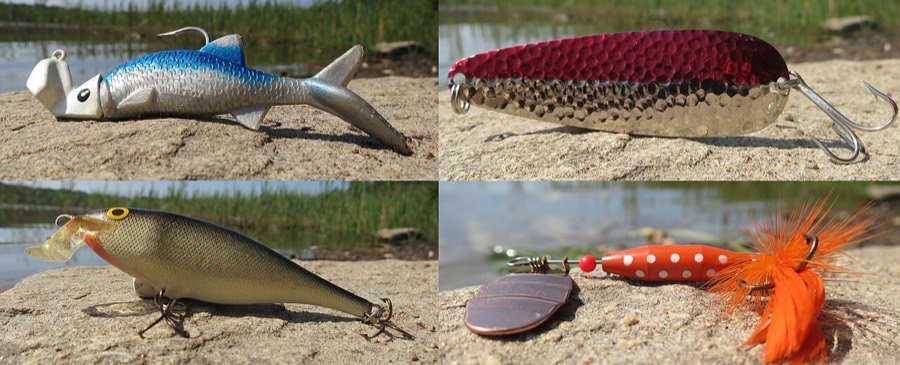
Almost every lure hanging on the wall is one of four things. A jig sinks, and you move it. A spoon wobbles. A crankbait dives on the plastic lip on its nose. A spinner turns a metal blade. Everything else is a variation on those.
Hook sizes
Hook numbers count backwards, which catches out everybody the first time. A #10 is small. A #6 is bigger than a #10. Once the scale passes #1 it flips over to 1/0, 3/0 and 5/0, and those grow as the number grows. Almost every fish in this lake comes on a #10, a #8 or a #6.
Jig weights
A jig is a lead ball moulded onto a hook, and the weight is quoted in ounces. The weight decides how fast it falls and how well you hold bottom in wind. Shawano Lake averages 9 feet deep, so you almost never need anything heavy: 1/32 oz for panfish and 1/8 oz for walleye covers most days, and the 3/8 oz head is for a windy drift on the Cecil Point break.
Through the ice, buy tungsten
Tungsten is denser than lead, so a smaller bait still drops fast on light line. Four millimetre is the local winter standard on this lake for both crappie and perch.
Live bait, and what to ask for
Every bait here is legal in Wisconsin and sold within a few miles of the lake. One rule travels with all of it: bait that touches this water does not leave in your bucket. Shawano Lake carries zebra mussels, faucet snails and three kinds of milfoil, and the transport rules exist to keep them out of the next lake.
Two rigs worth learning
A rig is how the hook, the weight and the float sit on your line. These two cover most of what happens on Shawano Lake, and both solve a problem specific to this water.
The slip float, for suspended panfish
The quick-strike rig, for a live sucker
The words
Everything on this site that a first-time angler has no reason to know.
- Crawler
- Short for nightcrawler: a big earthworm, four to six inches long, sold live by the dozen. "A piece of crawler" means a half inch pinched off the end.
- Waxworm
- A bee-moth larva about the size of a fingernail, sold in a tub of sawdust. The winter panfish bait here.
- Spike
- A fly larva about the size of a grain of rice. Two on a tungsten jig is the local perch bait through the ice.
- Fathead
- A two-inch live baitfish. A crappie minnow is the same fish, sold smaller.
- Jig
- A lead or tungsten weight moulded onto a hook. Sizes are quoted in ounces: 1/32 oz is a panfish jig, 3/8 oz is a walleye jig in wind.
- Hook size
- Counts backwards. #10 is smaller than #6. Past #1 the scale flips to 1/0, 3/0, 5/0, and those grow as the number grows.
- Treble
- A hook with three points on one shank. Crankbaits and spoons carry them; you cannot fish one in heavy weed.
- Split shot
- A soft lead pellet you pinch onto the line to sink the bait. One BB-sized shot, a foot above the hook, is the standard.
- Slip float
- A float with the line running through it, so it slides down to the bait for the cast and back up to a stop knot in the water.
- Weed edge
- The line where the cabbage beds stop and open bottom starts, here at about 6 to 12 feet. Most of the fish in this lake hold on it.
- Cabbage
- Broad-leaf pondweed. The green weed that grows in 6 to 12 feet and holds walleye, pike and musky on this lake.
- PSD
- Proportional size distribution. Out of 100 fish big enough to count, how many reached quality size. The DNR prints it for every species it surveys.
- Figure eight
- Tracing a figure eight with the rod tip beside the boat at the end of every musky cast. A following fish often takes on the turn.
- Quick-strike rig
- Two trebles on a short leader, both set in the flank of a live baitfish, so you set the hook at once instead of letting a musky swallow it.
- Ice-out
- The day the last ice leaves the lake. Mid-April here in a normal year.
- Turnover
- The fall week when the surface cools to the temperature of the deep water and the lake mixes. The bite usually goes off for a few days.
What to carry, by fish
Each species page opens with the month-by-month bite chart and closes with the tackle for that fish, at the size to buy.
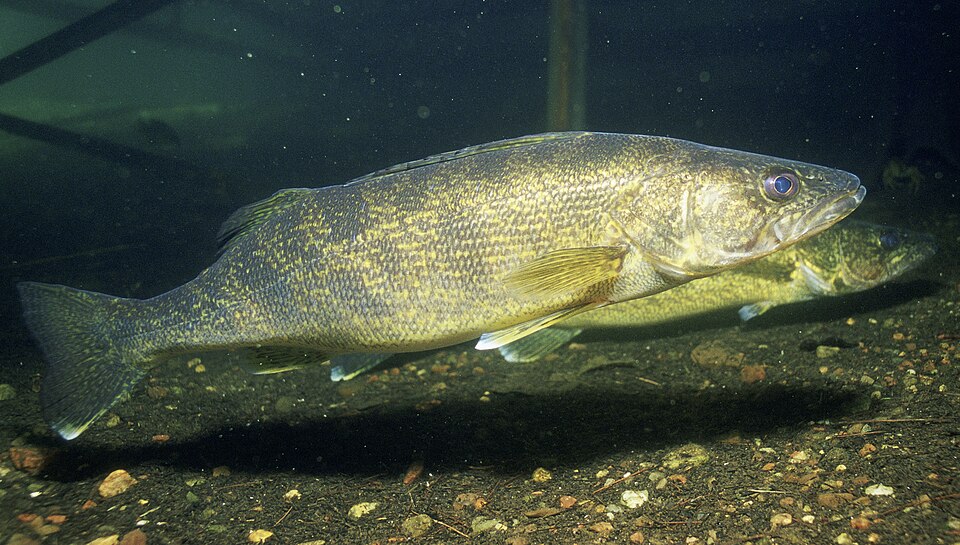
Walleye
Walleye jig, 1/8 oz in calm water, 3/8 oz in wind or current.
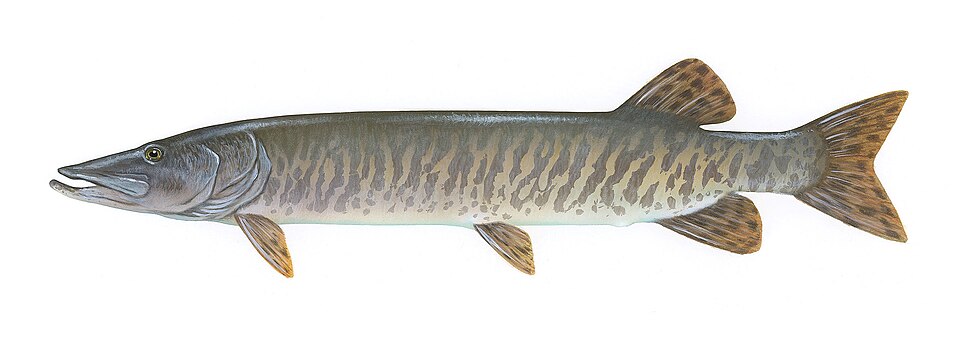
Muskellunge
Bucktail, double-blade, size 8 blades, 1 to 2 oz.
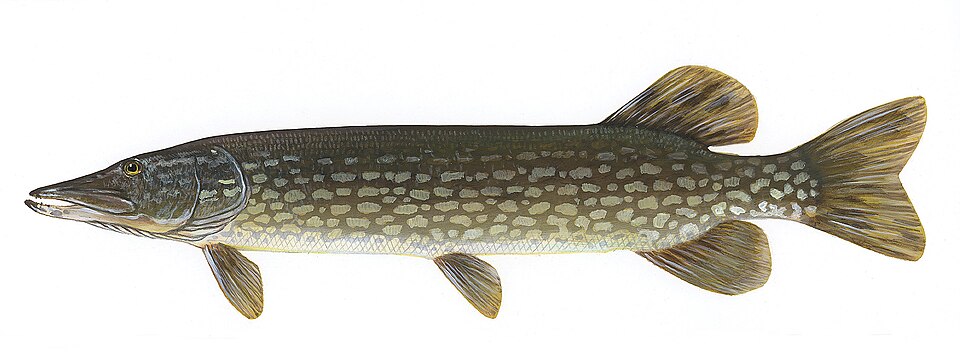
Northern pike
Spoon, casting spoon, 1/2 to 1 oz for pike.
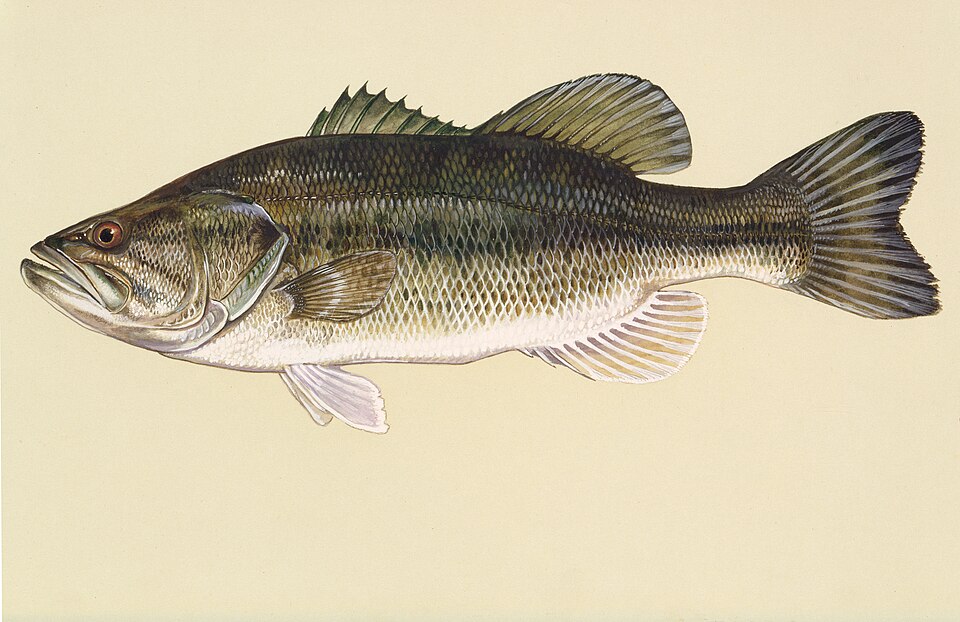
Largemouth bass
Plastic worm, 5 to 7 inches, green pumpkin or black.
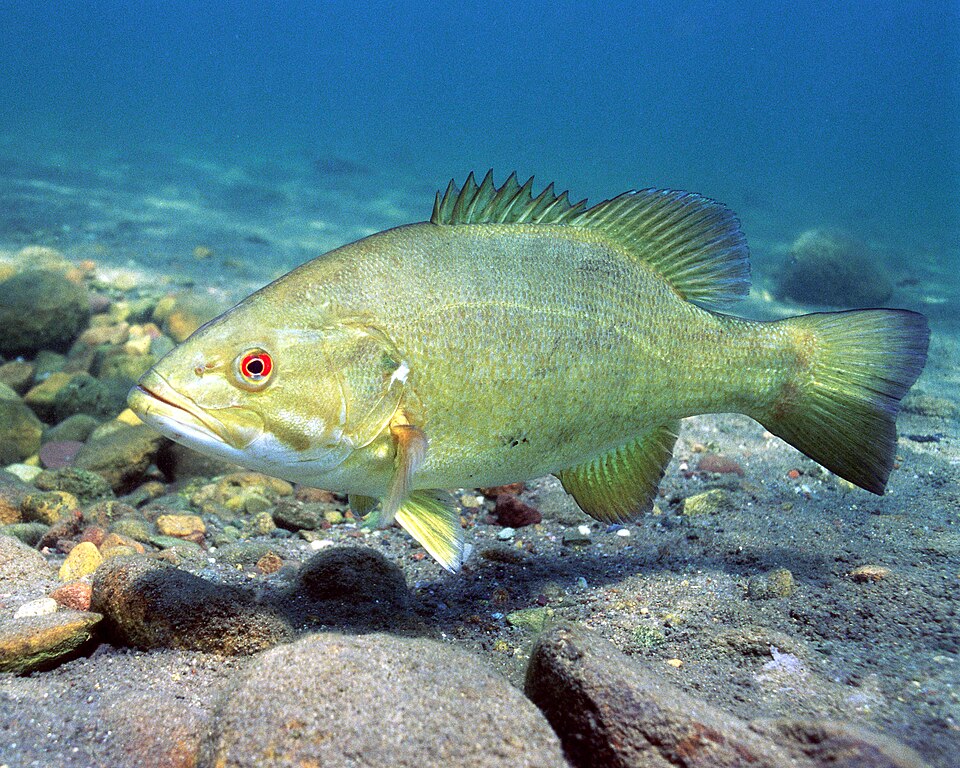
Smallmouth bass
Curly-tail grub, 2 inch for panfish, 3 inch for walleye and bass.
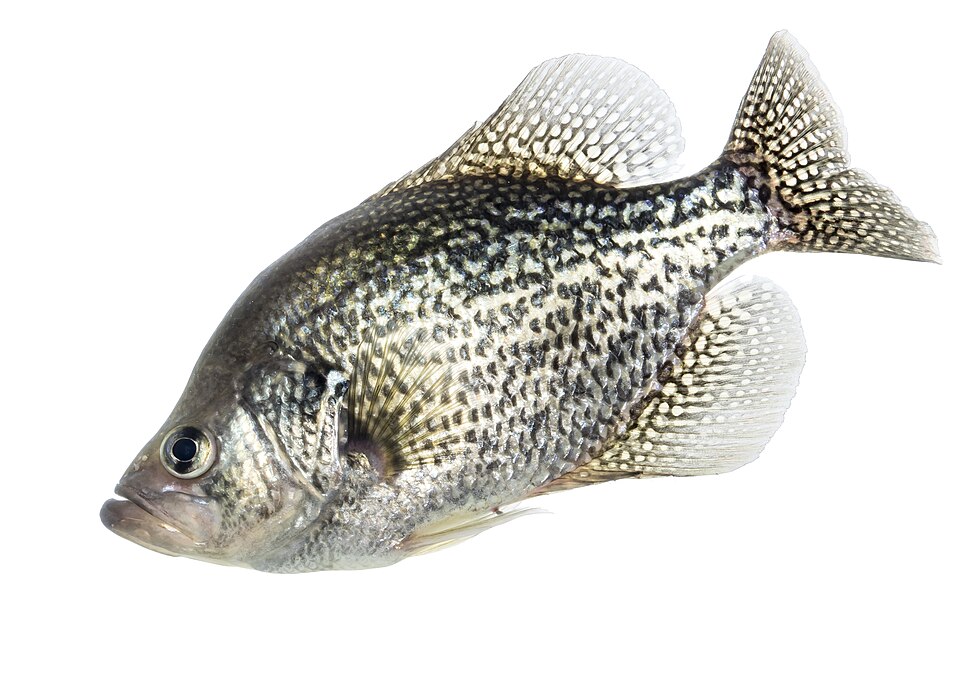
Black crappie
Panfish jig, 1/32 oz round head, #8 or #10 hook.
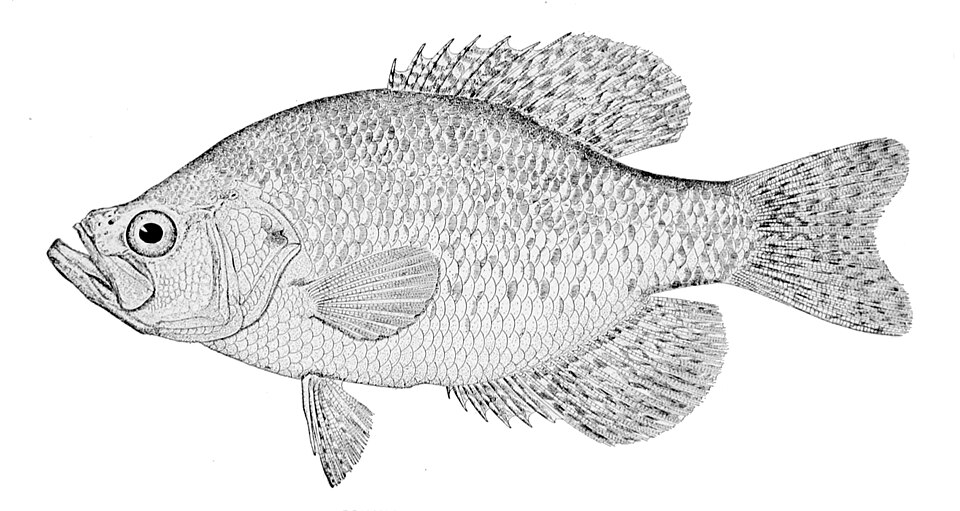
White crappie
Panfish jig, 1/32 oz round head, #8 or #10 hook.
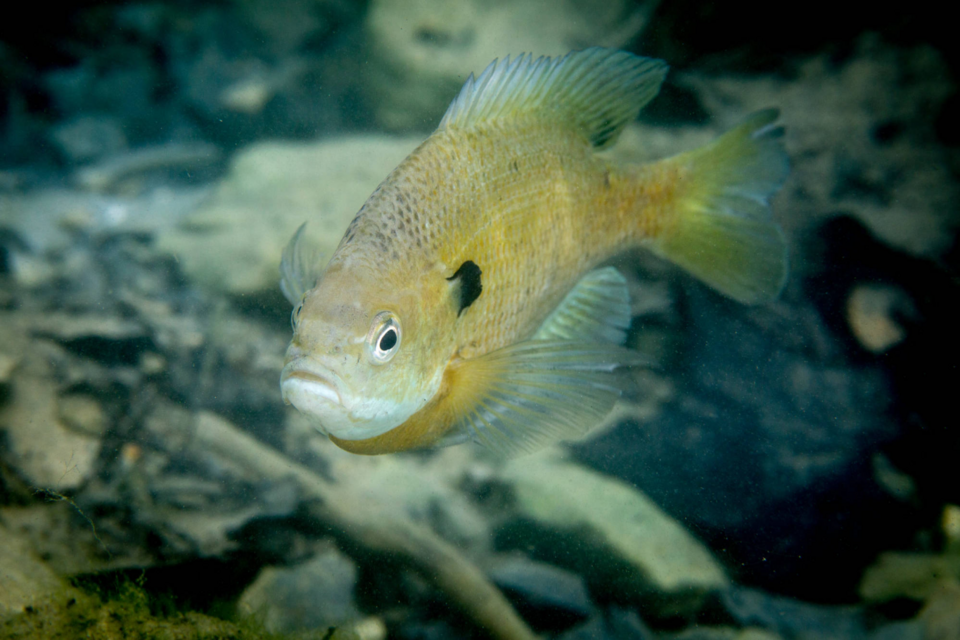
Bluegill
Panfish jig, 1/32 oz round head, #8 or #10 hook.
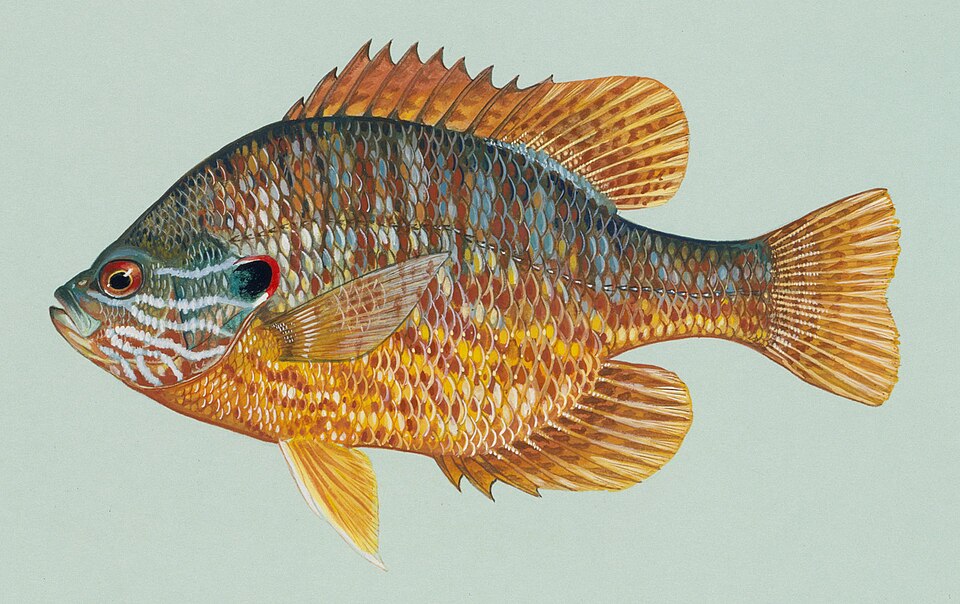
Pumpkinseed
Nightcrawler, a dozen in a foam cup, about $4 at any bait shop in shawano or cecil.
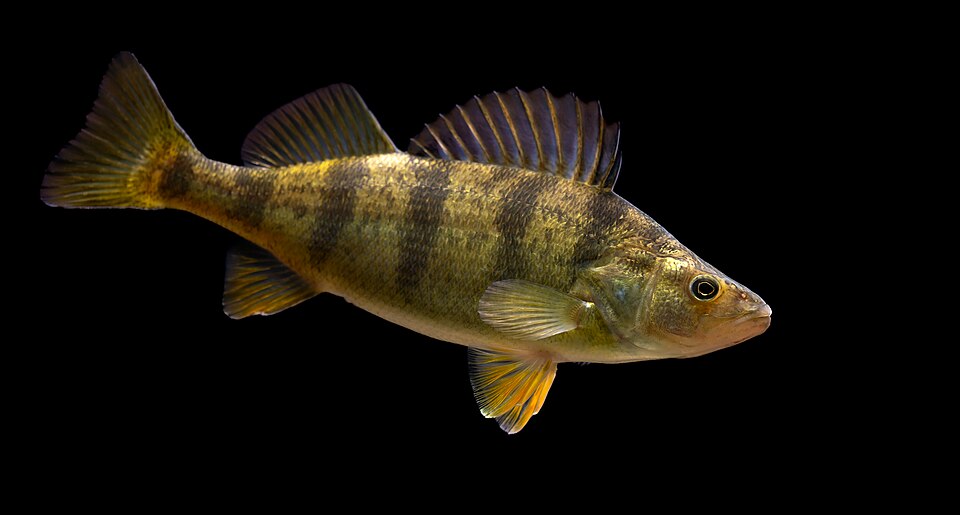
Yellow perch
Fathead minnow, a scoop of fatheads for perch and walleye.
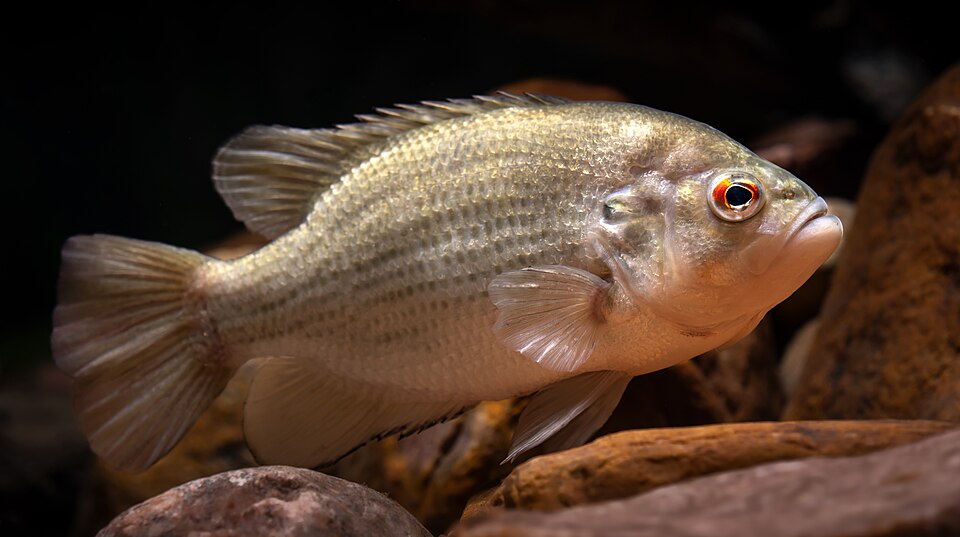
Rock bass
Panfish jig, 1/32 oz round head, #8 or #10 hook.
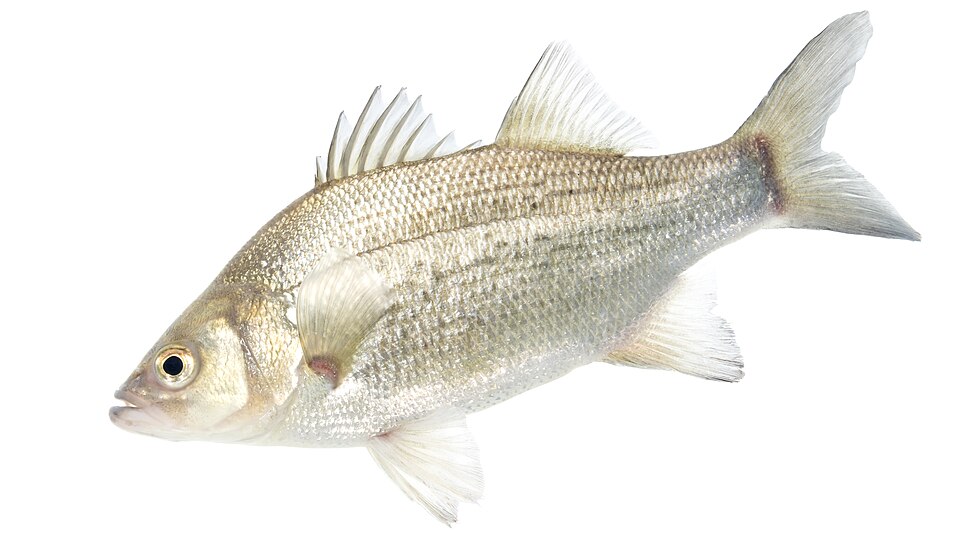
White bass
Curly-tail grub, 2 inch for panfish, 3 inch for walleye and bass.
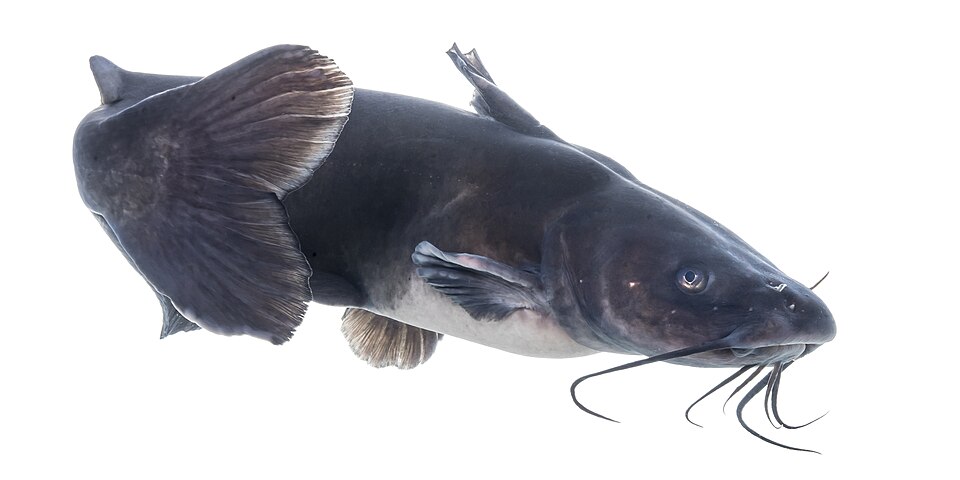
Channel catfish
Nightcrawler, a dozen in a foam cup, about $4 at any bait shop in shawano or cecil.
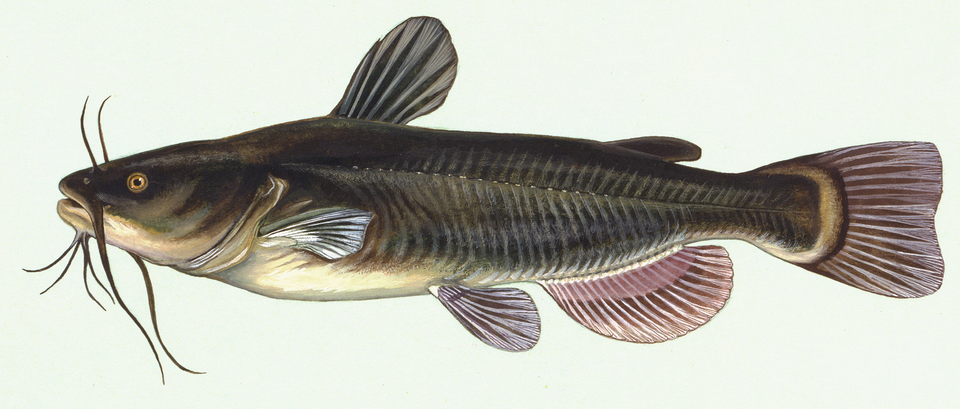
Black bullhead
Nightcrawler, a dozen in a foam cup, about $4 at any bait shop in shawano or cecil.
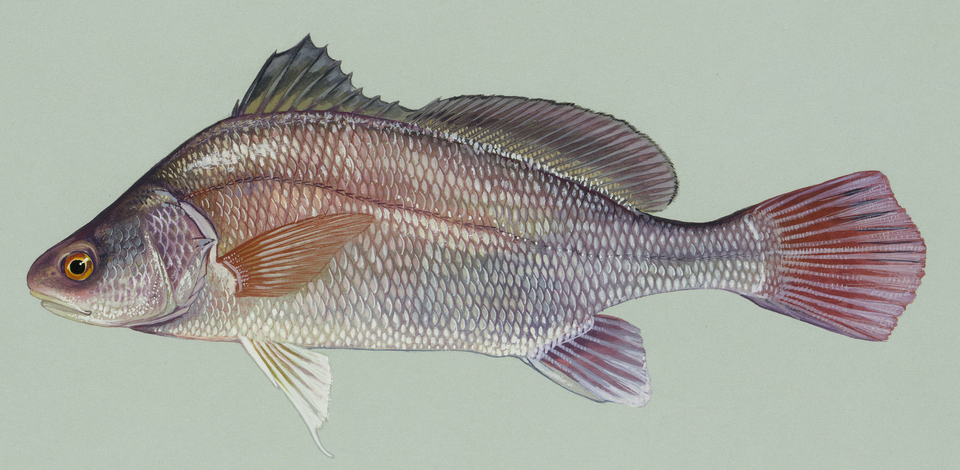
Freshwater drum
Nightcrawler, a dozen in a foam cup, about $4 at any bait shop in shawano or cecil.
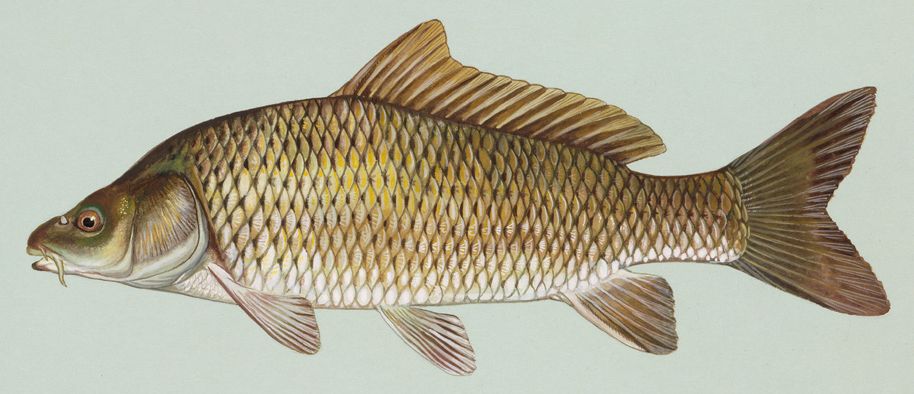
Common carp
Hooks, #10 and #8 for panfish, #6 for perch, #4 for catfish, 1/0 for a plastic worm.
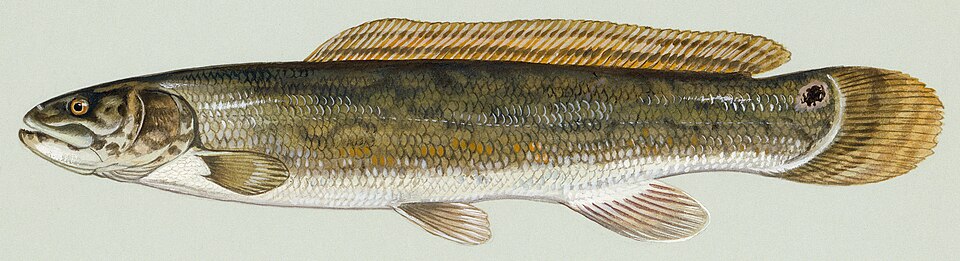
Bowfin
Spinnerbait, 3/8 oz, white or chartreuse skirt, single colorado blade for stained water.
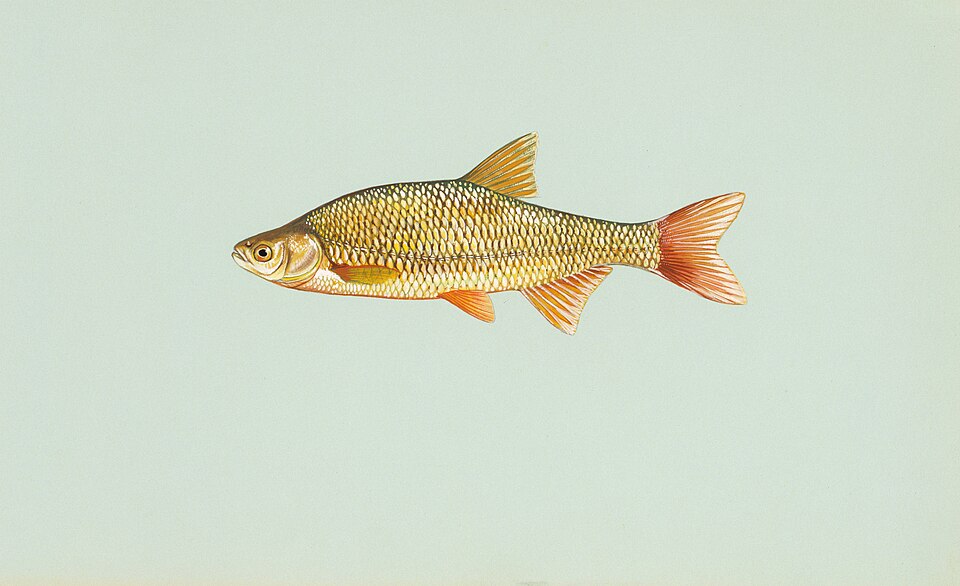
Golden shiner
Hooks, #10 and #8 for panfish, #6 for perch, #4 for catfish, 1/0 for a plastic worm.