SHAWANO Lake fishing field guide

Shawano County, Wis. WBIC 322800 19 species

The calendar, the lures, the water

When to fish, what to throw, where to stand

Shawano Lake is 6,215 acres of sand bottom under 9 feet of stained water with weeds growing on it. Only 6.16% of it runs deeper than 20 feet. That shape decides everything: you fish the weed edge, the current, and the one deep hole. This page gives you the month, the depth, the lure and the named spot for each of the eight species the DNR surveys here.

Jump to a fish

What is sourced and what is not. Seasons and limits come from the Wisconsin DNR regulation page for WBIC 322800, for the 2026-27 license year. The lures, depths and water temperatures are angling practice for this lake, not DNR findings. Rules change every license year, and the DNR page is the authority.

The fish people drive here for

How to catch muskellunge in Shawano Lake

Fish the deep weed edge with a big bucktail from June to August, then switch to gliders, jerkbaits and live suckers from mid-September to the December 31 close, which is when the 45-inch-plus fish in this lake feed.

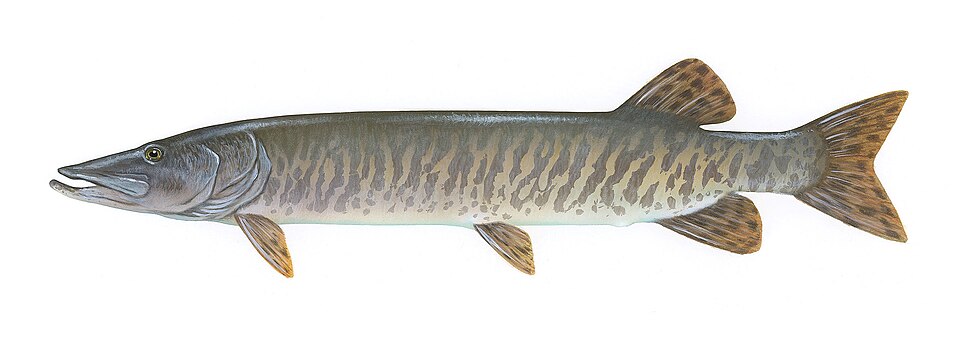
Illustration of a muskellunge, Esox masquinongy.
Best window
September 15 to the end of October
Best hours
First light and the last 90 minutes before dark through the summer. In October, the middle of a warm afternoon is often better than dawn.
Open season
May 2 to December 31, 2026. Open water only. There is no ice season for musky on this lake.
Length and bag limit
40-inch minimum length, 1 fish per day.

What to expect

The DNR netted 46 muskies in the whole five-water system in 2023, at 0.2 fish per net night, which is the 32nd percentile statewide. This is a low-density fishery. Plan on hours of casting per follow. The trade is size: the average netted fish ran 38.2 inches and the longest went 49.8.

Month by month

May 2 to the end of May

Water
50 to 62 °F
Depth
2 to 6 feet
Live bait
Skip live bait. Post-spawn fish are not committed feeders and a sucker sits too long.

Where on this lake

Shallow dark-bottom bays that warm first. Cecil Bay and the east taper, and the north shore flats off the county park. Musky spawn last of the predators here, at 50 to 60 degrees, so the season opens on fish that are still shallow and recovering.

What to throw

  • Small rubber, 7 to 9 inches, worked slow over new weed growth.
  • A #5 bucktail with a slow, steady retrieve.
  • A shallow twitchbait, 6 to 8 inches, over sand pockets in the cabbage.

Fish slower and smaller than you want to. A May musky on this lake will follow a fast bucktail and never eat it.

June

Water
62 to 70 °F
Depth
5 to 10 feet
Live bait
Not yet.

Where on this lake

The outside edge of the cabbage, and the transitions where weed gives way to the sand bottom that covers 88% of this lake. The channel to Loon Lake on any day with wind pushing through it.

What to throw

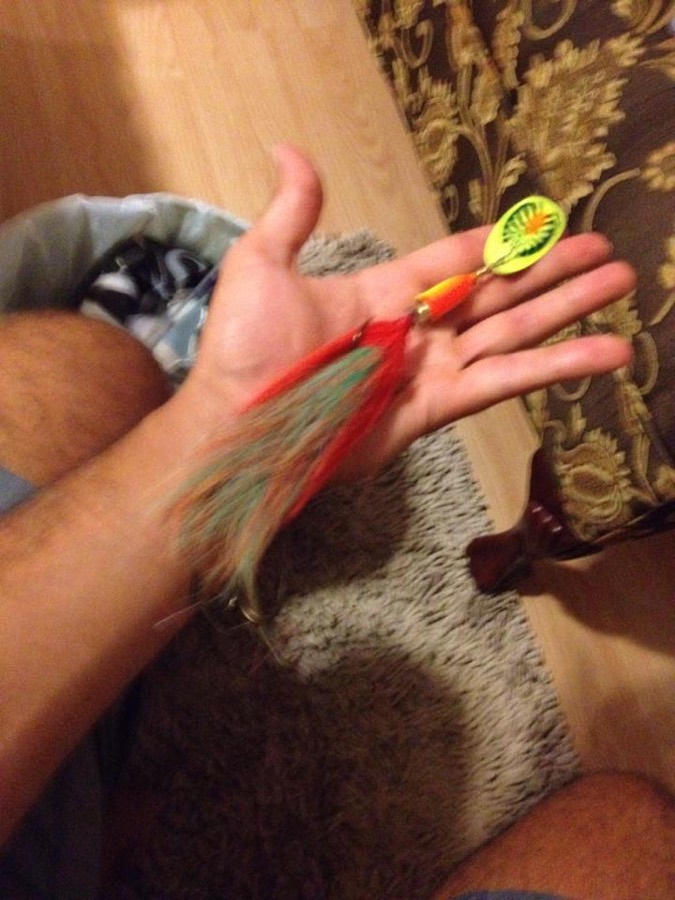
  • Bucktails, #7 to #9, burned along the weed edge. This is the highest-percentage musky lure on Shawano through the summer.
  • Spinnerbaits over the tops of the cabbage.
  • Shallow-running crankbaits on the sand-to-weed transition.

Cover water. June fish are spread across the whole weed line and you are looking for the active ones, not the pretty spots.

July to mid-August

Water
70 to 78 °F
Depth
6 to 12 feet, and right up on top at dawn and dark
Live bait
No. Water over 75 degrees makes a long fight dangerous for the fish.

Where on this lake

The deep weed edge in the west basin, which holds most of the 6.16% of this lake that runs deeper than 20 feet. The Loon Lake channel on a wind-blown day. The Shawano Lake Outlet, where current runs all summer.

What to throw

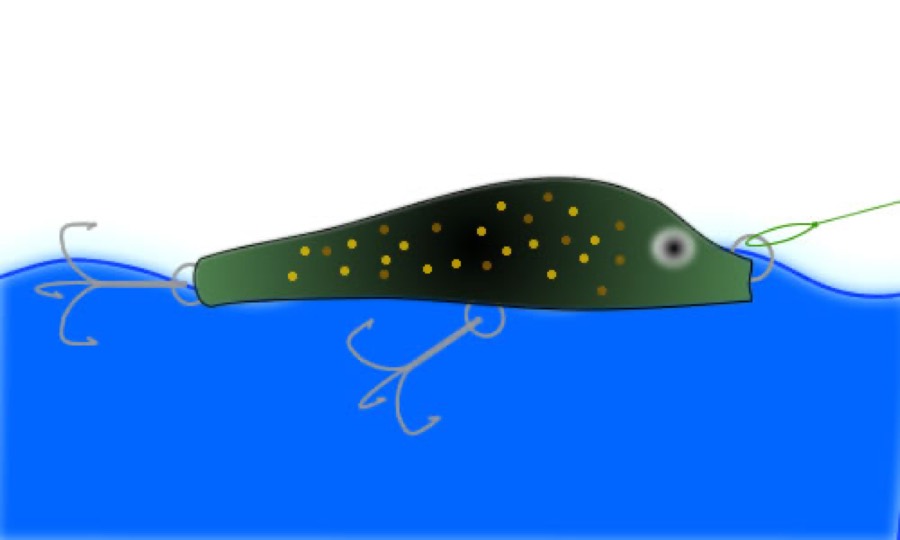
  • Topwater at first and last light. Walk-the-dog baits and prop baits over the weed tops.
  • Bucktails, #8 to #10, through the middle of the day.
  • A crankbait trolled along the deep weed line when the casting bite dies.

Handle fish fast in warm water. Have the pliers, the cutters and the cradle out of the bag before you cast. Recreational boat traffic peaks on July weekends and the launches back up, so be on the water before 9 a.m.

Late August to mid-September

Water
78 down to 65 °F
Depth
8 to 14 feet
Live bait
Start rigging suckers once the surface holds under 65 °F, usually the second week of September.

Where on this lake

The same deep weed edges, plus the first hard weed die-off spots. Musky slide toward the healthy green cabbage as the shallow weed goes brown.

What to throw

  • Bucktails still, but slow the retrieve as the water drops through 70.
  • Glide baits, 8 to 10 inches, on a slack-line twitch.
  • Big rubber on a slow rise-and-fall over the deep edge.

This is the turn. Every week from here to the close, the average size of the fish you move goes up.

Mid-September to the end of October

Water
65 down to 48 °F
Depth
10 to 20 feet
Live bait
A quick-strike sucker rig under a float, drifted along the deep weed edge, is the highest-percentage way to put a 45-inch fish in the net on this lake. Set the hooks inside 10 seconds so the fish is hooked in the jaw, not the gut.

Where on this lake

The deep weed edge in the west basin, the Loon Lake channel, and the Shawano Lake Outlet. Fish that spend the summer scattered pull toward the deepest structure and toward the current.

What to throw

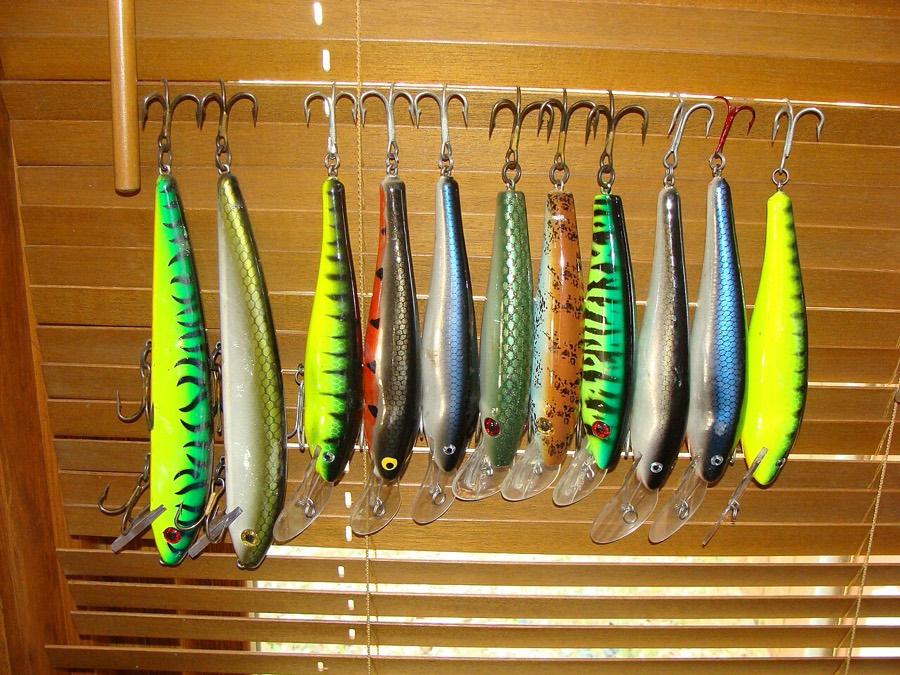
  • Glide baits and jerkbaits. The DNR-measured 49.8-inch class of fish in this system eats a big, slow, erratic bait in October.
  • Deep-running crankbaits trolled along the basin edge.
  • Weighted rubber worked on the bottom.

This is the trophy window. If you fish Shawano for musky once a year, fish it now.

November to December 31

Water
48 °F down to ice
Depth
15 to 25 feet
Live bait
Suckers, and mostly suckers.

Where on this lake

The deepest water you can find. The west basin, and the hole that runs to 39.5 feet.

What to throw

  • Suckers on quick-strike rigs, fished slow.
  • Big rubber, worked on the bottom on a long pause.

The season closes December 31, ahead of every other game fish here. Ice usually beats the closing date. Watch the forecast and take the last open-water weekend you get.

What to tie on, and what it costs

Gear that matches this lake

  • A 8'6" to 9' heavy casting rod with a reel that holds 100 yards of 80 lb braid.
  • A 12-inch fluorocarbon leader of 100 lb test, or wire if you throw gliders.
  • A cradle or a net with a 40-inch hoop. The minimum length here is 40 inches, so you will measure fish.
  • Long-nose pliers, split-ring pliers and hook cutters, in the boat and out of the bag.

What costs people fish here

  • Skipping the figure-eight. This lake runs stained with low clarity, so fish commit late and follow right to the boat. Figure-eight every cast, including the last one.
  • Fishing the middle. Only 6.16% of Shawano Lake is deeper than 20 feet. Open water off the weed line is the emptiest place you can put a lure.
  • Measuring on the gunwale. The minimum is 40 inches and a fish under it goes back, so carry a bump board.
  • Expecting numbers. At 0.2 fish per net night, a follow is a good day and a fish in the net is a great one.

Named spots that hold muskellunge

  • The channel to Loon Lake
  • The west basin
  • North shore flats, off the county park
  • Shawano Lake Outlet

The DNR survey numbers for muskellunge

What is biting, month by month

Pick the month you are coming, read across, then read the species block for the lure and the depth.

MonthWhat is openBest targetWhy
January Panfish, walleye, pike, bass Black crappie, yellow perch Crappie hold in the west basin hole and perch sit in 4 to 5 feet of flooded timber. Walleye feed on the weed edge after dark.
February Panfish, walleye, pike, bass Black crappie, yellow perch The same winter pattern, with longer light. Last full month of the walleye and pike seasons.
March Panfish all month; walleye, pike and bass to March 7 Panfish Walleye, pike and bass close March 7. Ice gets unreliable. Panfish stay open.
April Panfish only Yellow perch Ice-out lands mid-April in a normal year. Perch spawn at 45 to 50 °F. The Wolf River below the dam is a refuge from April 15 to May 15.
May Everything opens May 2 Walleye, northern pike The opener catches the tail of the walleye run in the outlet and the channel, and pike still shallow near the reeds.
June Everything Largemouth bass, bluegill, pumpkinseed, muskellunge Panfish are on the beds, bass are in the pads, and the musky bucktail bite turns on along the deep weed edge.
July Everything Muskellunge, largemouth bass, walleye after dark Topwater at first and last light. Walleye go nocturnal. Boat traffic peaks on weekends, so launch before 9 a.m.
August Everything Walleye after dark, muskellunge The hottest water of the year. Fish early, late, or at night.
September Everything Muskellunge The turn. Musky move to gliders and jerkbaits, and the sucker bite starts once the surface drops under 65 °F.
October Everything Muskellunge, walleye The trophy window on this lake. The biggest musky of the year come in the last half of September and through October.
November Everything Muskellunge, northern pike Suckers on quick-strike rigs in the deepest water you can find. Ice often beats the December 31 musky close.
December Muskellunge to December 31; everything else continues Muskellunge, then first-ice panfish Musky closes December 31, ahead of every other game fish. First safe ice turns on the crappie and perch bite.

Two closures to keep in your head. Muskellunge closes December 31, ahead of every other game fish here. The Wolf River below the Shawano dam is a fish refuge from April 15 to May 15 and is closed to fishing.

How to catch it

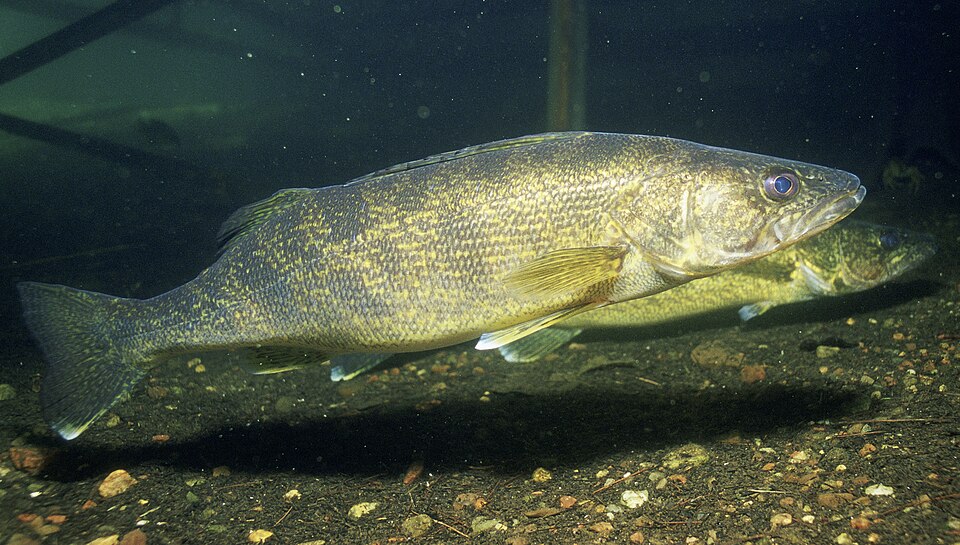
How to catch walleye in Shawano Lake

Fish the outlet and the Loon Lake channel right after the May 2 opener, then go nocturnal on the deep weed edges from late June through August.

Illustration of a walleye, Sander vitreus.
Best window
The first three weeks of May, and every night from late June to the end of August.
Best hours
After dark, from late June onward. This is the single most useful fact about walleye on this lake.
Open season
May 2, 2026 to March 7, 2027.
Length and bag limit
18-inch minimum length, 3 fish per day. This is a Shawano and Waupaca county rule and it is stricter than most of Wisconsin.

What to expect

The DNR estimates 5,257 adults, or 0.8 per acre against a management goal of 1.5, so the population runs thin. The size structure is superb: a PSD of 97 means almost every stock-size walleye sampled was already quality size, and the survey netted fish to 27.4 inches.

Month by month

May 2 to the end of May

Water
45 to 58 °F
Depth
3 to 8 feet
Live bait
Fatheads early, then leeches as the water passes 55.

Where on this lake

The Shawano Lake Outlet and the Wolf River, on the tail of the spring run. The channel to Loon Lake, where the DNR put PIT tag arrays in 2024 to measure exactly this movement.

What to throw

  • A 1/8 oz jig and a fathead minnow, cast upstream and swum back with the current.
  • A shallow stickbait, cast to the shoreline after dark.
  • A slip bobber and a leech over the first weed growth.

The Wolf River below the Shawano dam is a fish refuge from April 15 to May 15 and is closed. Fish the outlet channel above it instead.

June

Water
58 to 70 °F
Depth
6 to 12 feet
Live bait
Crawlers and leeches.

Where on this lake

The steep drop-off north of Cecil Point. Work the sharp inside turns and the points, not the straight stretches.

What to throw

  • Crankbaits trolled along the deep weed line in 6 to 8 feet.
  • A jig and a half crawler on the break.
  • Spinner rigs pulled slowly on the flats.

The daytime bite is still on in June. By July it mostly is not.

Late June to the end of August

Water
70 °F and up
Depth
5 to 10 feet after dark, 12 to 18 feet during the day
Live bait
Leeches and crawlers.

Where on this lake

The deep weed edges across the west basin, and the Loon Lake channel. Fish them after dark.

What to throw

  • Shallow-running stickbaits trolled slowly along the weed edge at night.
  • A lighted slip bobber and a leech over the edge.
  • A 1/4 oz jig and a plastic, worked on the break during daylight.

This lake is shallow, stained and heavily used by recreational boats in summer. Walleye here feed at night. Fishing 9 p.m. to 1 a.m. is worth more than any lure choice.

September to freeze-up

Water
Falling through 65 to 40 °F
Depth
10 to 20 feet
Live bait
Big shiners and redtail chubs.

Where on this lake

The west basin edges and the outlet. Fish move deeper and start feeding through the day again.

What to throw

  • A jig and a large shiner, vertically on the break.
  • Deep crankbaits trolled on the basin edge.

Fall walleye on Shawano run to the biggest fish of the year outside of May.

First safe ice to March 7

Water
Under the ice
Depth
8 to 16 feet
Live bait
Shiners.

Where on this lake

The deep weed edges. Walleye come alive after dark here in winter, same as in summer.

What to throw

  • A jigging spoon tipped with a minnow head, at last light.
  • Tip-ups with large shiners set along the weed edge.

No agency measures or certifies ice thickness on this lake. Shanty towns and an ice-racing course go up here most winters and neither is evidence the ice is safe where you are standing. Drill your own holes.

What to tie on, and what it costs

Gear that matches this lake

  • A 6'6" to 7' medium-light spinning rod with 8 lb braid and a 6 lb fluorocarbon leader.
  • A headlamp with a red mode, for the night bite.
  • A bump board. The minimum is 18 inches and the average netted fish runs 19.

What costs people fish here

  • Fishing the middle of the day in July. The daytime summer bite on this lake is close to dead.
  • Looking for deep water. There is almost none. Fish the weed edge.
  • Keeping a 17-inch fish. The county minimum is 18 inches, stricter than the statewide rule.

Named spots that hold walleye

  • Cecil Point drop-off
  • The channel to Loon Lake
  • The west basin
  • Shawano Lake Outlet
  • Wolf River below the dam
  • Loon Lake

The DNR survey numbers for walleye

How to catch it

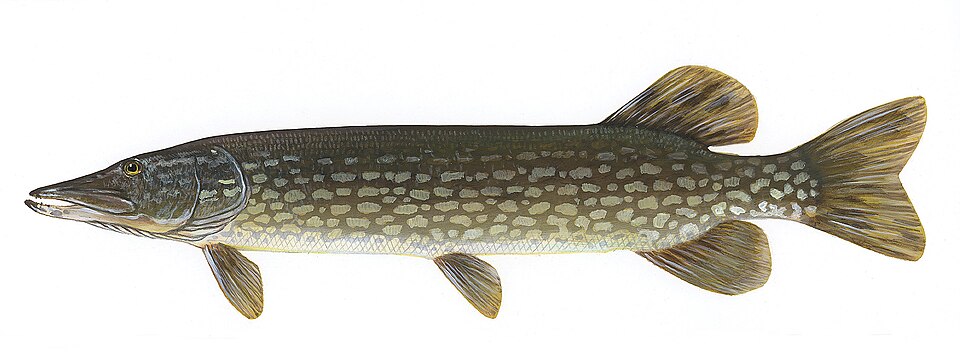
How to catch northern pike in Shawano Lake

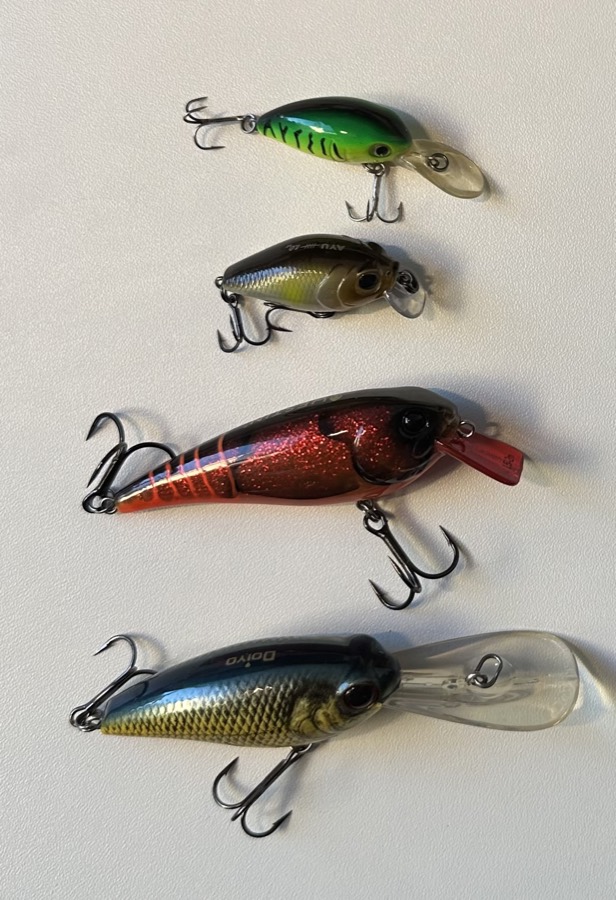
Throw a red-and-white spoon or a tandem spinnerbait along the deep weed edge any month the season is open, and fish the reeds right after ice-out.

Illustration of a northern pike, Esox lucius.
Best window
The two weeks after ice-out, and first ice.
Best hours
All day. Pike are the least fussy fish in this lake about the clock.
Open season
May 2, 2026 to March 7, 2027.
Length and bag limit
No minimum length, 5 fish per day.

What to expect

The DNR measured 552 pike in one spring at 2.9 per net night, the 66th percentile statewide. Most fish run 15 to 26 inches and the longest measured went 32.2. This is the most reliable predator here.

Month by month

May

Water
34 to 50 °F
Depth
1 to 5 feet
Live bait
Large shiners and suckers.

Where on this lake

Emergent vegetation and reed beds. Pike spawn first of the predators, at 34 to 40 °F, so opening-day fish are shallow and still near the reeds.

What to throw

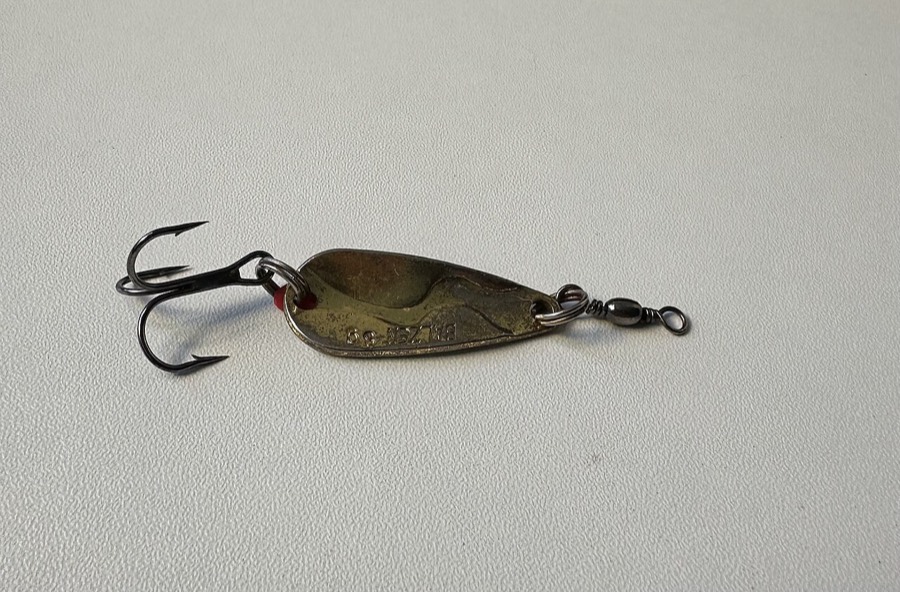
  • Red-and-white spoons.
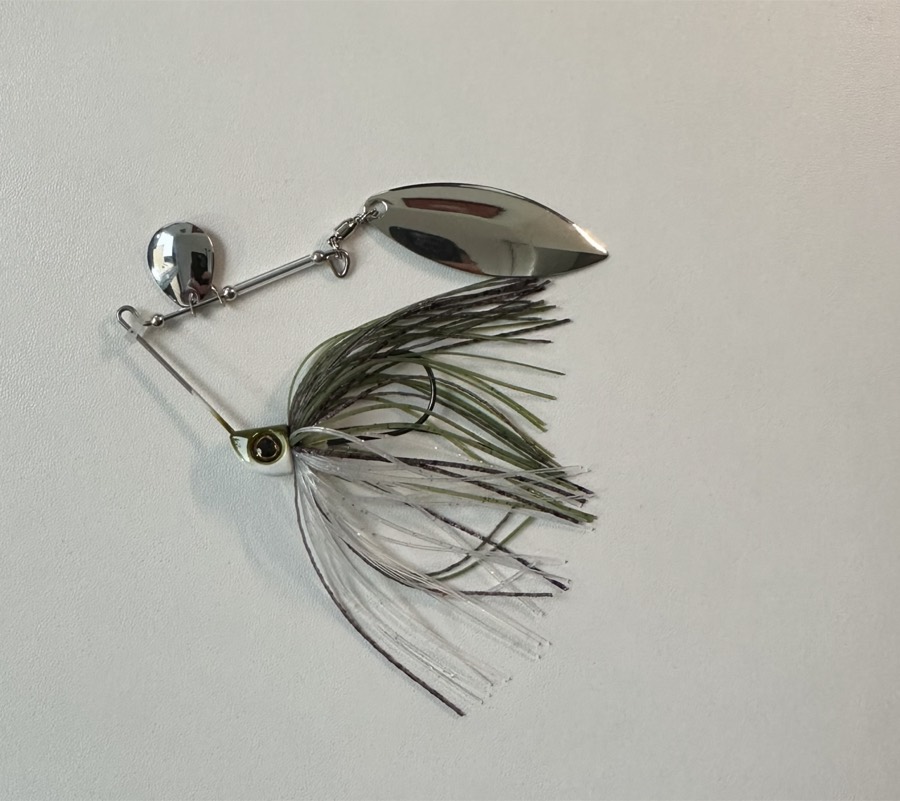
  • Shallow spinnerbaits.
  • A large sucker minnow under a float.

The old spoons still work here, and this is the month they work best.

June to August

Water
60 to 78 °F
Depth
6 to 14 feet
Live bait
Not needed.

Where on this lake

The deep weed edges and the flats just outside them. The bigger fish hold deeper through the warm months. The cabbage patches on the main basin.

What to throw

  • Tandem-blade spinnerbaits along the weed edge.
  • Crankbaits over the flats.
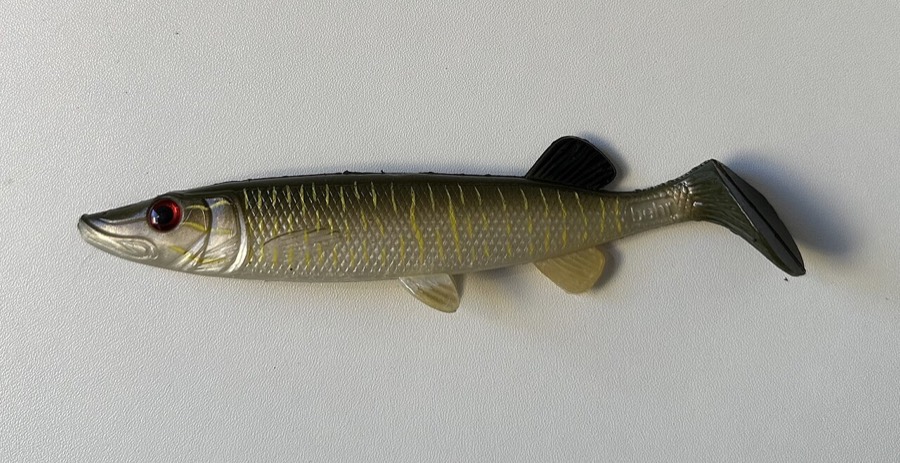
  • Large soft swimbaits.

The DNR names habitat as the limit on pike size here and recommends protecting the emergent vegetation along the littoral zone. Fish the healthy weed.

September to freeze-up

Water
Falling through 65 to 40 °F
Depth
8 to 15 feet
Live bait
Suckers on a quick-strike rig.

Where on this lake

Back onto the deep weed edges, feeding hard. The channel and the outlet all season.

What to throw

  • Large spoons.
  • Glide baits.
  • Big swimbaits on a slow retrieve.

Fall pike here run to the top of the size range.

First safe ice to March 7

Water
Under the ice
Depth
6 to 12 feet
Live bait
Big shiners.

Where on this lake

The weed edge, in the same places that produce in open water.

What to throw

  • Tip-ups with big shiners on the weed edge.
  • Jigging spoons.

Tip-ups on the weed edge are the local standard and they work.

What to tie on, and what it costs

Gear that matches this lake

  • A medium-heavy rod, 30 lb braid, and a wire or heavy fluorocarbon leader on every bait.
  • Long pliers. Every pike you catch here will be hooked somewhere awkward.

What costs people fish here

  • Fishing without a leader. You will lose baits.
  • Fishing dead weed. Pike hold on the green cabbage, not the brown.

Named spots that hold northern pike

  • Cecil Bay and the east taper
  • Cecil Point drop-off
  • The channel to Loon Lake
  • The west basin
  • North shore flats, off the county park
  • Shawano Lake Outlet
  • Loon Lake
  • Washington Lake

The DNR survey numbers for northern pike

How to catch it

How to catch largemouth bass in Shawano Lake

Texas-rig the pads and the reeds through summer, work the docks at dawn, and fish the Shawano Lake Outlet if you want the biggest fish in the system.

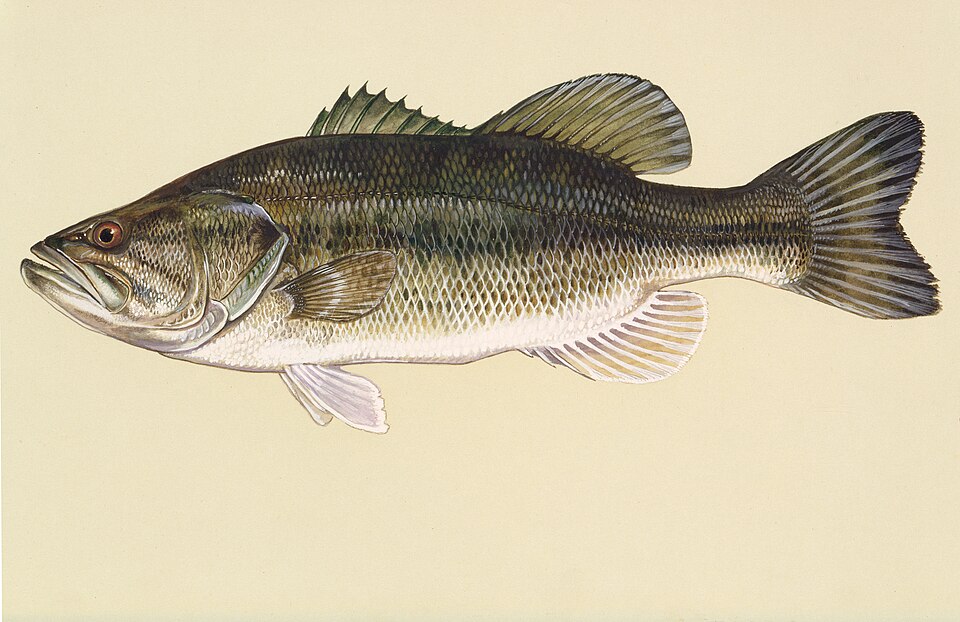
Illustration of a largemouth bass, Micropterus salmoides.
Best window
June, and again in September.
Best hours
Dawn and dusk in summer. All day in spring and fall.
Open season
May 2, 2026 to March 7, 2027.
Length and bag limit
14-inch minimum length, 5 per day, combined with smallmouth.

What to expect

Abundance fell from 40.7 fish per mile in 2006 to 14.5 in 2023, and size structure fell from a PSD of 88 to 49. The main lake gave up fish to 18.6 inches. The Shawano Outlet scored a PSD of 73 against 49 in the main lake and produced a 19.6-inch fish, so the outlet is where the size is.

Month by month

May

Water
55 to 68 °F
Depth
2 to 6 feet
Live bait
Not needed.

Where on this lake

Shallow warm bays. Cecil Bay and the east taper, where the lake narrows to under a mile and shallows out.

What to throw

  • A wacky-rigged stick worm.
  • A squarebill crankbait along the reed edge.
  • A chatterbait over new weed.

Cecil Bay is the best largemouth water on the east half of the lake.

June to August

Water
68 to 80 °F
Depth
2 to 10 feet
Live bait
Not needed.

Where on this lake

Docks, lily pads, reeds and the deep weed line. The Shawano Lake Outlet for size.

What to throw

  • A Texas-rigged creature bait in the pads and the reeds. This lake is built for it.
  • A hollow-body frog over the mats at dawn.
  • A jig skipped under the docks.
  • A deep-diving crankbait on the outside weed line at midday.

Boat traffic peaks on summer weekends. Fish before 9 a.m.

September to freeze-up

Water
Falling through 70 to 45 °F
Depth
6 to 14 feet
Live bait
Not needed.

Where on this lake

The deep weed line and the outlet channel.

What to throw

  • A lipless crankbait ripped out of the grass.
  • A spinnerbait on the edge.
  • A jig on the break.

Bass season stays open to March 7, but the fish get hard to find under the ice here.

What to tie on, and what it costs

Gear that matches this lake

  • A 7' medium-heavy casting rod with 40 lb braid for the pads, and a spinning rod with 10 lb fluorocarbon for open water.

What costs people fish here

  • Ignoring the outlet. The main basin holds more bass and the outlet holds bigger ones.

Named spots that hold largemouth bass

  • Cecil Bay and the east taper
  • North shore flats, off the county park
  • Shawano Lake Outlet

The DNR survey numbers for largemouth bass

How to catch it

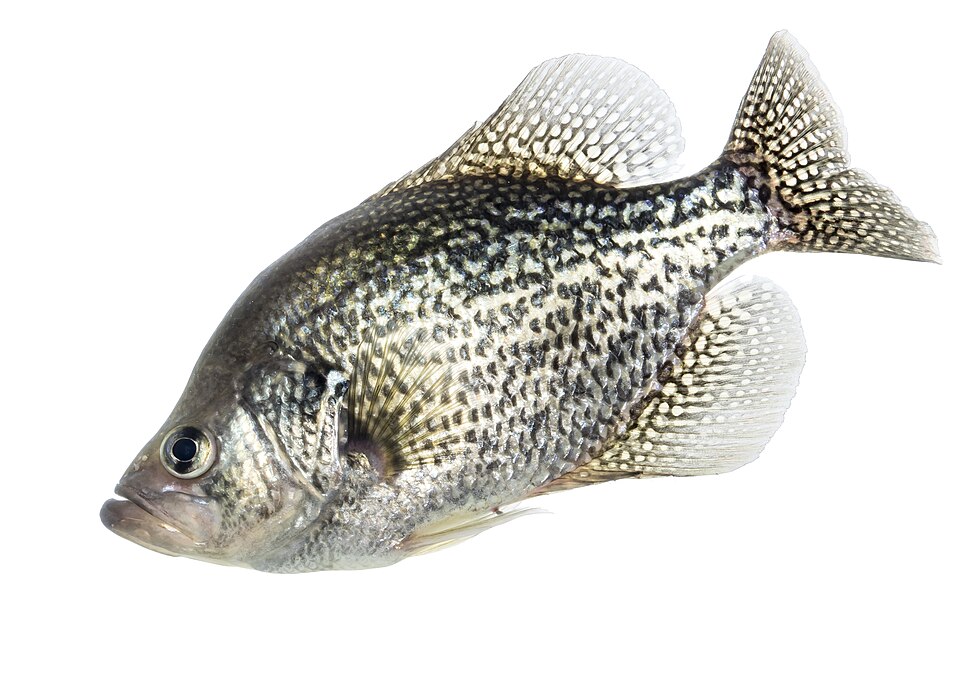
How to catch black crappie in Shawano Lake

Fish a small jig under a slip float at 8 to 14 feet next to submerged weeds in summer, and move to the west basin hole through the ice.

Illustration of a black crappie, Pomoxis nigromaculatus.
Best window
Late May, and January through February.
Best hours
Last light is the strongest hour, in any season.
Open season
Open all year.
Length and bag limit
No minimum length, 10 panfish per day in total.

What to expect

12.1 fish per net night is the 77th percentile statewide, and a strong 6 to 8 inch year class is coming up behind the keepers. The longest crappie in the 2023 survey came out of Wolf River Pond at 13.1 inches. Loon Lake gave up 459 fish, more than any other water in the system, but the average runs small there.

Month by month

May

Water
55 to 68 °F
Depth
2 to 6 feet
Live bait
Crappie minnows.

Where on this lake

Shallow bays and the back of Cecil Bay, on the spawn. Washington Lake for numbers.

What to throw

  • A 1/32 oz jig and a small plastic under a float.
  • A crappie minnow under a slip bobber.

Washington Lake hits the 84th percentile for crappie density but has the weakest panfish size structure of the five waters. Treat it as a numbers stop.

June to August

Water
68 to 80 °F
Depth
8 to 14 feet
Live bait
Crappie minnows.

Where on this lake

Suspended next to submerged weeds across the main basin.

What to throw

  • A 1/16 oz jig under a slip float set to the suspension depth.
  • A small hair jig.

Find the depth with electronics first, then set the float. The fish suspend and they do not come up for you.

September to freeze-up

Water
Falling through 68 to 40 °F
Depth
10 to 18 feet
Live bait
Crappie minnows.

Where on this lake

Schooling tighter and moving toward the basin. Wolf River Pond for the biggest fish.

What to throw

  • A jigging spoon.
  • A small swimbait on a 1/8 oz head.

Wolf River Pond produced the longest crappie in the whole 2023 survey.

Late December to February

Water
Under the ice
Depth
15 to 25 feet, suspended well off the bottom
Live bait
Waxworms and crappie minnows.

Where on this lake

The basin in the west end. This lake has one deep hole and the crappie use it.

What to throw

  • A 4 mm tungsten jig with a plastic or a waxworm.
  • A 1/32 oz jigging spoon.

4 mm tungsten and 1/32 oz spoons are the local winter standard for panfish here.

What to tie on, and what it costs

Gear that matches this lake

  • A 7' light spinning rod, 4 lb line, and a slip float you can set deep.

What costs people fish here

  • Fishing on the bottom. Crappie here suspend, and a bait under them catches nothing.

Named spots that hold black crappie

  • Cecil Bay and the east taper
  • The channel to Loon Lake
  • The west basin
  • Shawano Lake Outlet
  • Wolf River Pond
  • Loon Lake
  • Washington Lake

The DNR survey numbers for black crappie

How to catch it

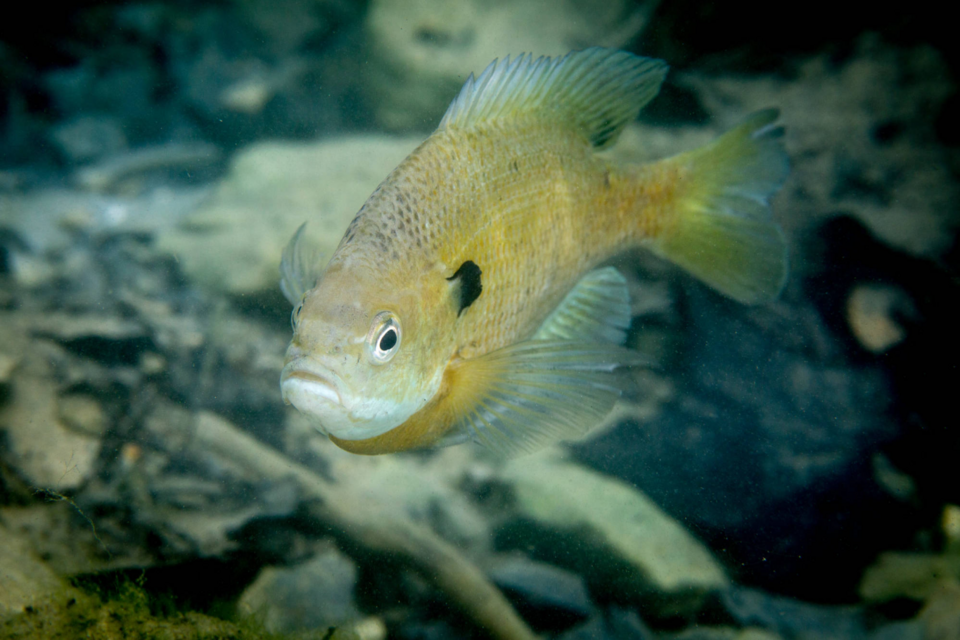
How to catch bluegill in Shawano Lake

Fish the north shore flats off the county park with a small jig or a worm, and put the biggest fish back.

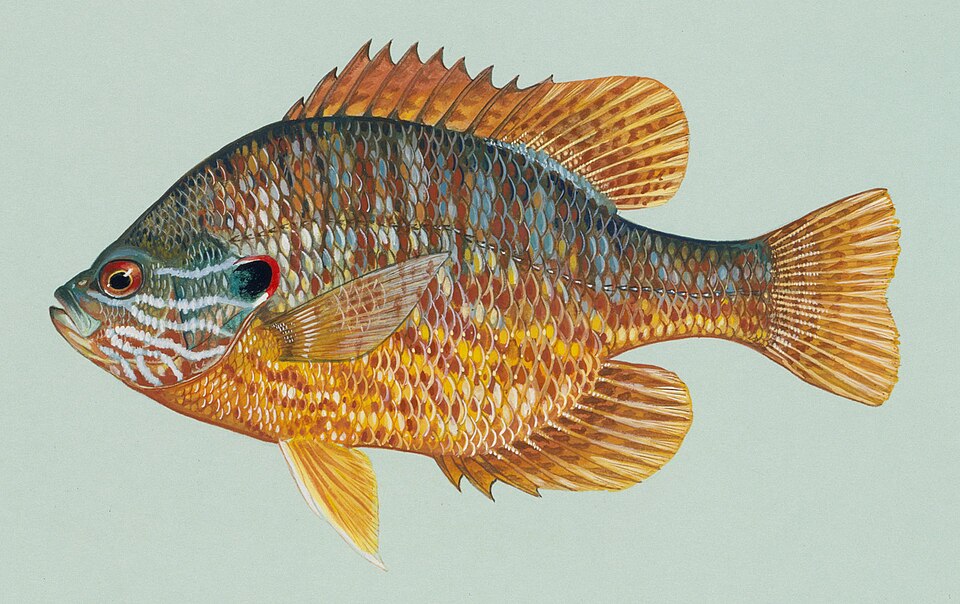
Illustration of a bluegill, Lepomis macrochirus.
Best window
Late May and June, on the beds.
Best hours
All day through the spawn. Morning and evening in high summer.
Open season
Open all year.
Length and bag limit
No minimum length, 10 panfish per day in total.

What to expect

The DNR electrofished the north shore and counted 123.3 bluegill per mile. Growth is slow: a 7-inch male is 7.4 years old, which is the 12th percentile statewide, and the DNR points at harvest of the big ones as the cause. Wolf River Pond bluegill reach 7 inches about two and a half years faster than fish in the main lake.

Month by month

Late May to June

Water
65 to 75 °F
Depth
2 to 6 feet, on visible beds
Live bait
Worms and waxworms.

Where on this lake

Sand bottom under weed growth on the north shore flats, off the county park. Cecil Bay.

What to throw

  • A 1/32 oz jig with a small plastic.
  • A plain hook, a split shot and a piece of crawler.

The biggest launch on the lake sits a cast from this water.

July to September

Water
75 °F and up
Depth
6 to 12 feet
Live bait
Worms and leeches.

Where on this lake

The deeper weed edges, out from the spawning flats.

What to throw

  • A small jig under a float.
  • A tiny spinner.

Wolf River Pond grows them faster if you want size over numbers.

Late December to February

Water
Under the ice
Depth
8 to 14 feet
Live bait
Waxworms and spikes.

Where on this lake

Weed flats in the mid-depths.

What to throw

  • A 4 mm tungsten jig with a waxworm or a plastic.

A 12-inch bluegill registers as a trophy with the DNR live-release program, and the state record is 12.0 inches even. You will not see one here, but the 10-inch fish out of Wolf River Pond is worth a photograph and a release.

What to tie on, and what it costs

Gear that matches this lake

  • An ultralight rod with 4 lb line, and small hooks.

What costs people fish here

  • Keeping every 8-inch fish. This population grows slowly and the DNR names harvest of the big ones as the reason a 7-inch male takes 7.4 years.

Named spots that hold bluegill

  • Cecil Bay and the east taper
  • North shore flats, off the county park
  • Wolf River Pond
  • Loon Lake
  • Washington Lake

The DNR survey numbers for bluegill

How to catch it

How to catch pumpkinseed in Shawano Lake

Fish weedy shallows on the north shore and in Cecil Bay with a small jig and a worm. This is the best pumpkinseed population in Wisconsin.

Illustration of a pumpkinseed, Lepomis gibbosus.
Best window
June, on the beds.
Best hours
All day.
Open season
Open all year.
Length and bag limit
No minimum length, 10 panfish per day in total.

What to expect

85.3 fish per mile of electrofishing puts this lake in the 96th percentile statewide, and fish over 7 inches hit the 98th percentile. The DNR credits the zebra mussel invasion, which fed them snails. The longest measured went 8.5 inches, and a fish of 11 inches registers as a trophy.

Month by month

May to July

Water
62 to 78 °F
Depth
1 to 5 feet
Live bait
Worms.

Where on this lake

Weedy shallows on the north shore flats and through Cecil Bay and the east taper.

What to throw

  • A 1/32 oz jig with a small plastic.
  • A plain hook and a piece of crawler under a float.

A pumpkinseed eats snails, so fish the weed where the zebra mussels and the snails are.

August to freeze-up

Water
Falling through 75 to 45 °F
Depth
4 to 10 feet
Live bait
Worms and waxworms.

Where on this lake

The same flats, sliding a little deeper.

What to throw

  • A small jig under a float.

This is the highest-rated fish in the lake by DNR percentile. Fish it on purpose.

What to tie on, and what it costs

Gear that matches this lake

  • An ultralight rod, 4 lb line, small hooks.

What costs people fish here

  • Treating them as a bluegill by-catch. Shawano rates 96th percentile for pumpkinseed and 12th percentile for bluegill growth. Target the pumpkinseed.

Named spots that hold pumpkinseed

  • Cecil Bay and the east taper
  • North shore flats, off the county park
  • Shawano Lake Outlet
  • Wolf River Pond
  • Loon Lake

The DNR survey numbers for pumpkinseed

How to catch it

How to catch yellow perch in Shawano Lake

Fish a minnow on the bottom in the Shawano Lake Outlet for the biggest perch in the system, and the flooded timber in 4 to 5 feet through the ice.

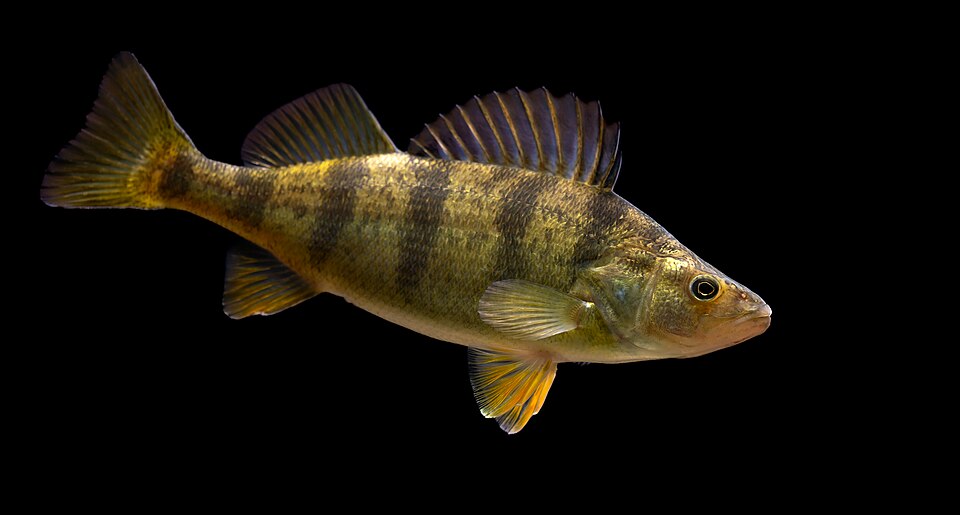
Illustration of a yellow perch, Perca flavescens.
Best window
April and May on the spawn, and January through February.
Best hours
Daylight. Perch stop feeding after dark.
Open season
Open all year.
Length and bag limit
No minimum length, 10 panfish per day in total.

What to expect

Netting size structure is the 88th percentile statewide. The longest fish the DNR measured, at 12.6 inches, came out of the Shawano Outlet, against 10.3 inches in the main lake. Washington Lake hits the 88th percentile for density.

Month by month

April to May

Water
45 to 55 °F
Depth
3 to 8 feet
Live bait
Fathead minnows.

Where on this lake

Submerged brush and weeds, where perch spawn. Washington Lake for numbers, the outlet for size.

What to throw

  • A small jig and a minnow.
  • A plain hook and a fathead on a split shot.

The perch spawn falls between the pike spawn and the walleye spawn on this lake.

June to September

Water
68 to 80 °F
Depth
6 to 14 feet
Live bait
Fatheads and crawler pieces.

Where on this lake

The weed flats and the outlet channel.

What to throw

  • A drop-shot with a small plastic.
  • A jig and a minnow head on the bottom.

The outlet is the one place in this system that grows perch past a foot.

Late December to February

Water
Under the ice
Depth
4 to 5 feet
Live bait
Spikes and minnow heads.

Where on this lake

Shallow, in the flooded timber.

What to throw

  • A 4 mm tungsten jig with a spike.
  • A small jigging spoon with a minnow head.

Perch sit shallower than people expect here in winter. Four to five feet in the timber is the local pattern.

What to tie on, and what it costs

Gear that matches this lake

  • A light spinning rod with 6 lb line, and a bucket of fatheads.

What costs people fish here

  • Fishing deep in winter. The pattern here is shallow timber, not the basin.

Named spots that hold yellow perch

  • The west basin
  • North shore flats, off the county park
  • Shawano Lake Outlet
  • Washington Lake

The DNR survey numbers for yellow perch

The rest of the lake

Eleven more species live here and the 2023 survey did not target them, so no tactics table exists for them on this page. Smallmouth bass, rock bass, white bass, channel catfish, bullhead, freshwater drum, carp and bowfin all carry a species page with where and how notes on it.